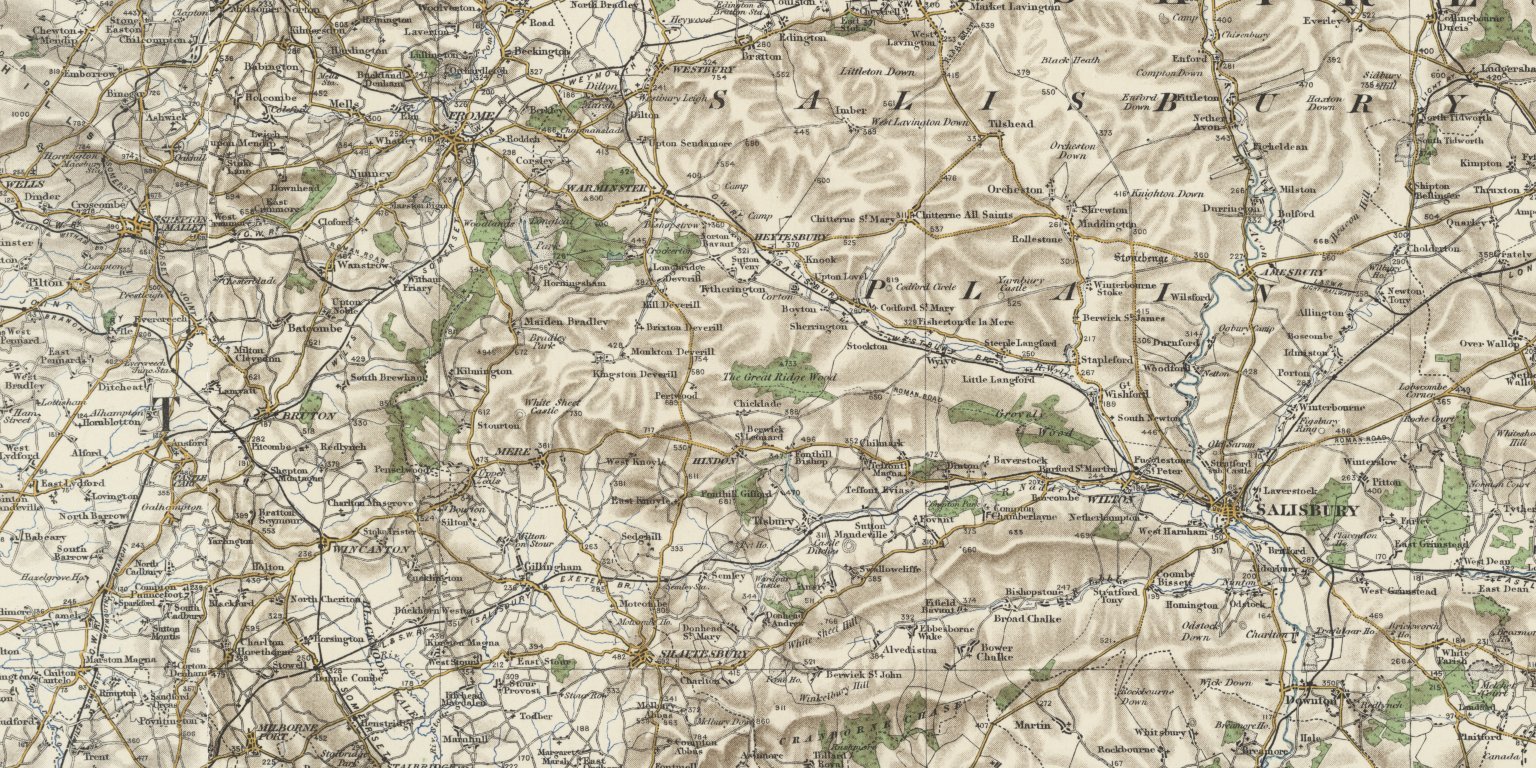
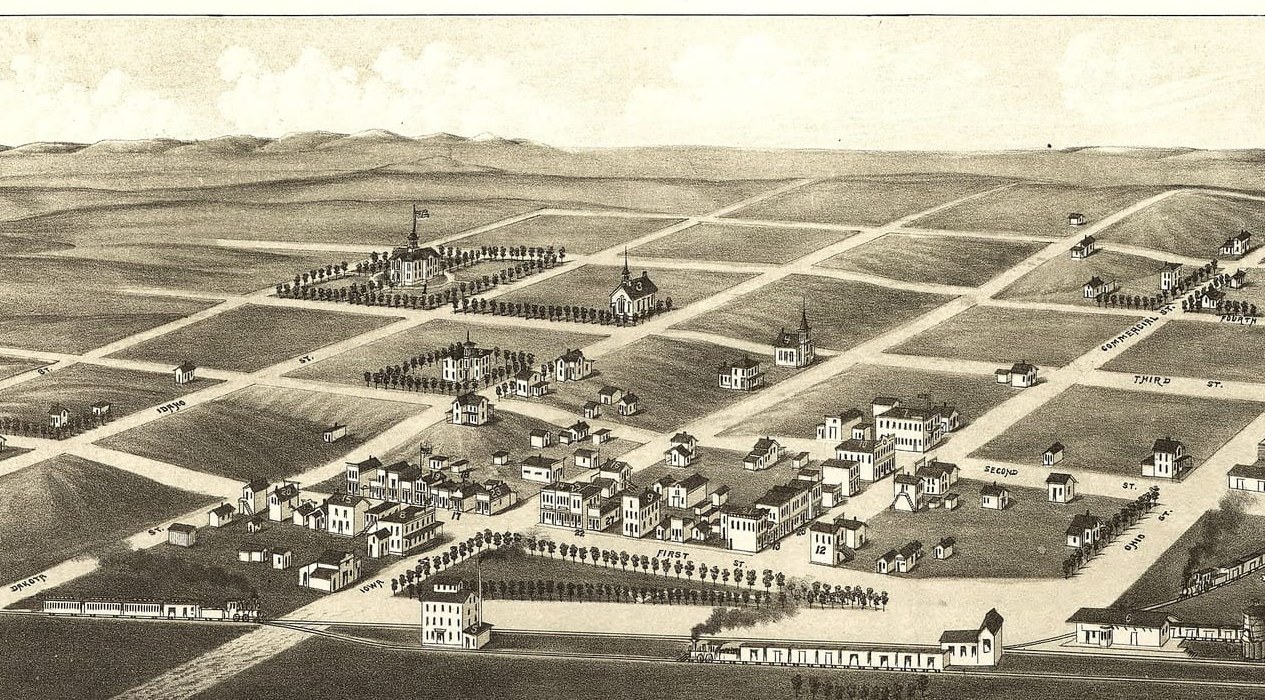
Enter any location. Aubrey uncovers everything from the ancient geology beneath your feet to the last coin dropped in a medieval field — the complete history of your location, researched and written for you.
The moment your report is ready, everything Aubrey has found is plotted on a fully interactive map. Click any marker to explore what was found. Toggle layers on and off.
Map shown: a real Aubrey report for a location in Derbyshire.
Find locations are shown at the centre of their recorded grid reference, accurate to within 100 metres. This is standard practice across all national archaeological databases and protects sensitive sites.
Are you a metal detectorist scoping a new permission, or a local history researcher exploring your area? Which periods of history interest you most — Roman, Medieval, Bronze Age? Before Aubrey starts, you tell Aubrey who you are and what you are looking for.
Your answers shape the entire report. Target zones, legal obligations and finds guidance for detectorists. Places of historical significance, archive sources and period analysis for historians. The same deep research — presented for you specifically.
Detecting club or history society? Ask about group discount codes →
John Aubrey was a British antiquary who spent his life uncovering Britain's hidden history. He surveyed Stonehenge and Avebury, cross-referenced historical records, and documented forgotten settlements across the country.
The Aubrey Holes at Stonehenge — 56 chalk pits he discovered in the 1660s — are named after him. He is regarded as one of the founding fathers of British archaeology and local history.
John Aubrey spent his life doing what Aubrey Research now does for any location — in minutes.
Real discoveries from real Aubrey reports. Historical finds, hidden earthworks, forgotten settlements — one email, every two weeks. Free.
No spam. Unsubscribe any time.