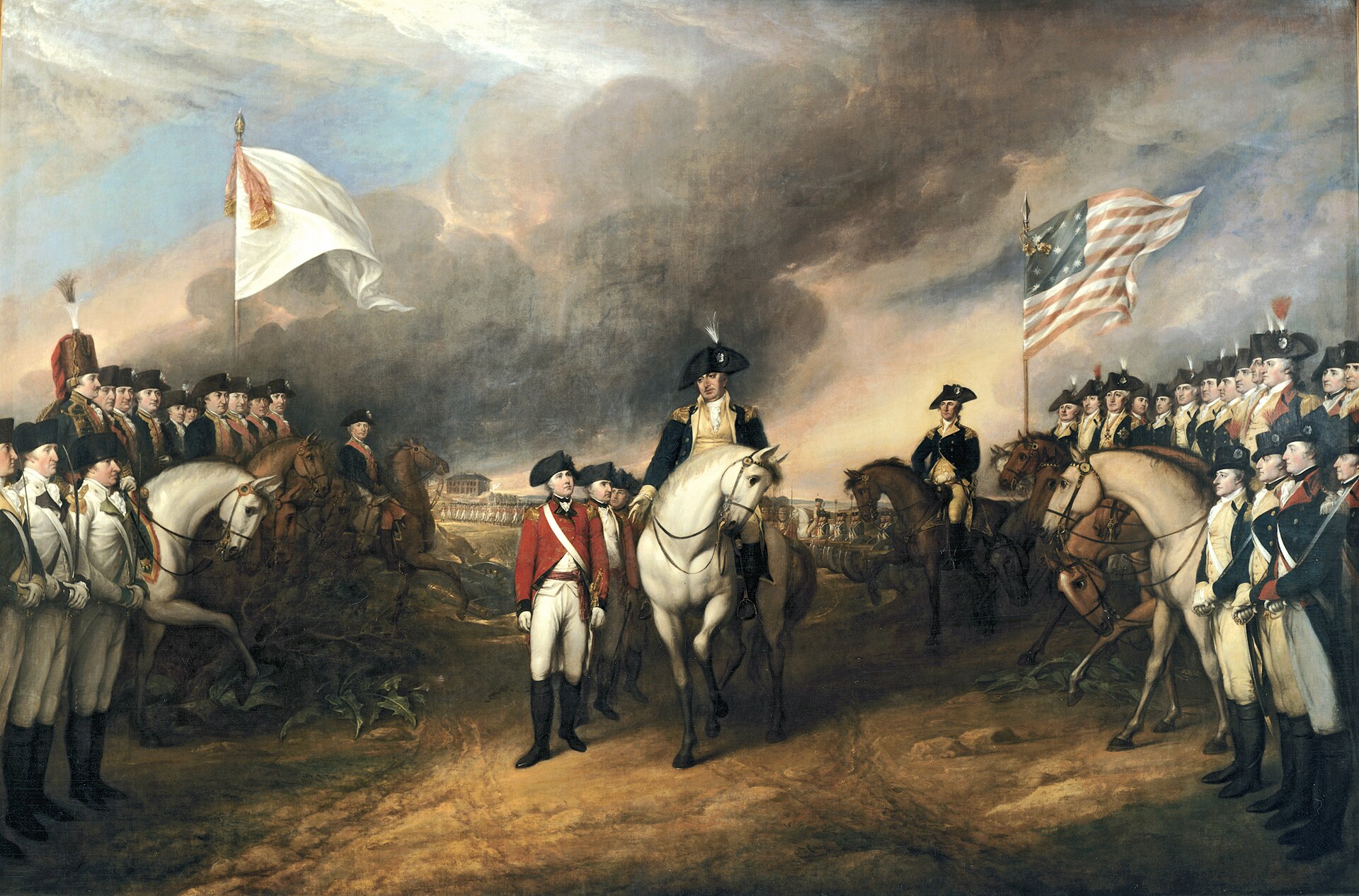
1779 was a year of stalemate in the north but growing danger for Native American allies of the British on the American frontier. By this point, the war had already dragged on for four years, and though it would not end until the British defeat at Yorktown in 1781 and the Treaty of Paris in 1783, 1779 saw neither side make a decisive breakthrough in the main theater around New York. British commander Henry Clinton, who had taken over from William Howe the year before, kept his main force consolidated in New York City after French entry into the war changed the strategic picture. Earlier fighting that year, including the inconclusive Battle of Monmouth and a failed joint Franco-American attempt to retake Newport, Rhode Island, had already shown that neither army could land a knockout blow. Smaller American successes followed, including the capture of British posts at Stony Point and Paulus Hook in July, while a large American naval effort to retake Maine, the Penobscot Expedition, ended in defeat.
The most significant event of the year, though, took place away from the main armies. From July to September, more than 4,000 American troops carried out the Sullivan Expedition, a scorched earth campaign against British-allied members of the Haudenosaunee (Iroquois) Confederacy in New York and Pennsylvania who had been raiding the frontier. The campaign destroyed more than 40 villages and some 160,000 bushels of corn, leaving the affected tribes destitute and breaking the confederacy's power as an independent force. Roughly 5,000 Iroquois fled to Canada, where the British continued to supply and support them, and frontier raids persisted despite the devastation.
On the diplomatic front, 1779 also brought Spain into the war against Great Britain through the Treaty of Aranjuez, an alliance with France rather than a direct partnership with the Americans. Meanwhile, conditions for Washington's army were worsening. As the year closed, the Continental Army entered a winter at Morristown that proved even harsher than the famous ordeal at Valley Forge, marked by worthless currency, chronic supply shortages, desertion, and rising unrest that would soon boil over into mutinies among Pennsylvania and New Jersey troops.
Written by Aubrey Research from American Revolutionary War on Wikipedia, cited as a reference and not reproduced.
Where these engagements were fought
Select a marker to see the engagement and open its page.
Engagements of 1779.
Notable engagements of 1779
| Engagement | Year | State | Outcome | Forces or losses |
|---|---|---|---|---|
| Stony Point | 1779 | NY | American victory | 15 killed; 83 wounded; 20 killed; 74 wounded prisoners; 472 |
| Baton Rouge | 1779 | LA | Spanish victory | 9 killed; 39 wounded; Waldeck-Pyrmont: 4 killed; 2 wounded; |
| Stono Ferry | 1779 | SC | British victory | United States: 34 killed; 113 wounded; 155 missing; 26 kille |
| Paulus Hook | 1779 | NJ | American victory | 2 killed; 3 wounded; 7 captured; 50 killed and wounded; 158 |
| Brier Creek | 1779 | GA | British victory | United States: At least 150 killed,; Unknown wounded,; 227 c |
| Capture of Fort Bute | 1779 | LA | Spanish victory | None; Waldeck-Pyrmont: 1 killed; 16 captured |
| Battle of Beaufort | 1779 | SC | American victory | 40 killed or wounded; 7-12 captured; United States: 8 killed |
| Battle of Lake Pontchartrain | 1779 | LA | Spanish victory | United States; Spain: 6-8 killed; some wounded; 2 killed; 1 |
| Siege of Savannah | 1779 | GA | British victory | United States; France: 244 killed; 584 wounded; 120 captured |
| Battle of Newtown | 1779 | NY | American victory | 8 killed; 31 wounded; Haudenosaunee: 12 Haudenosaunee & 3 Ra |
| Kettle Creek | 1779 | GA | Surveyed battlefield | 40-70 killed; 75 wounded or captured; 5 POW hanged; United S |
| Boyd and Parker ambush | 1779 | NY | n/a | 14 killed; 3 captured and killed; 7 escaped; Seneca: 1 Senec |
Plus 15 further documented engagements in the 1779 record.
Battlefield locations and boundaries are compiled from public records, including the National Park Service American Battlefield Protection Program (public domain) and the American Revolution GIS work of Charles E. Frye (CC BY-SA 4.0).