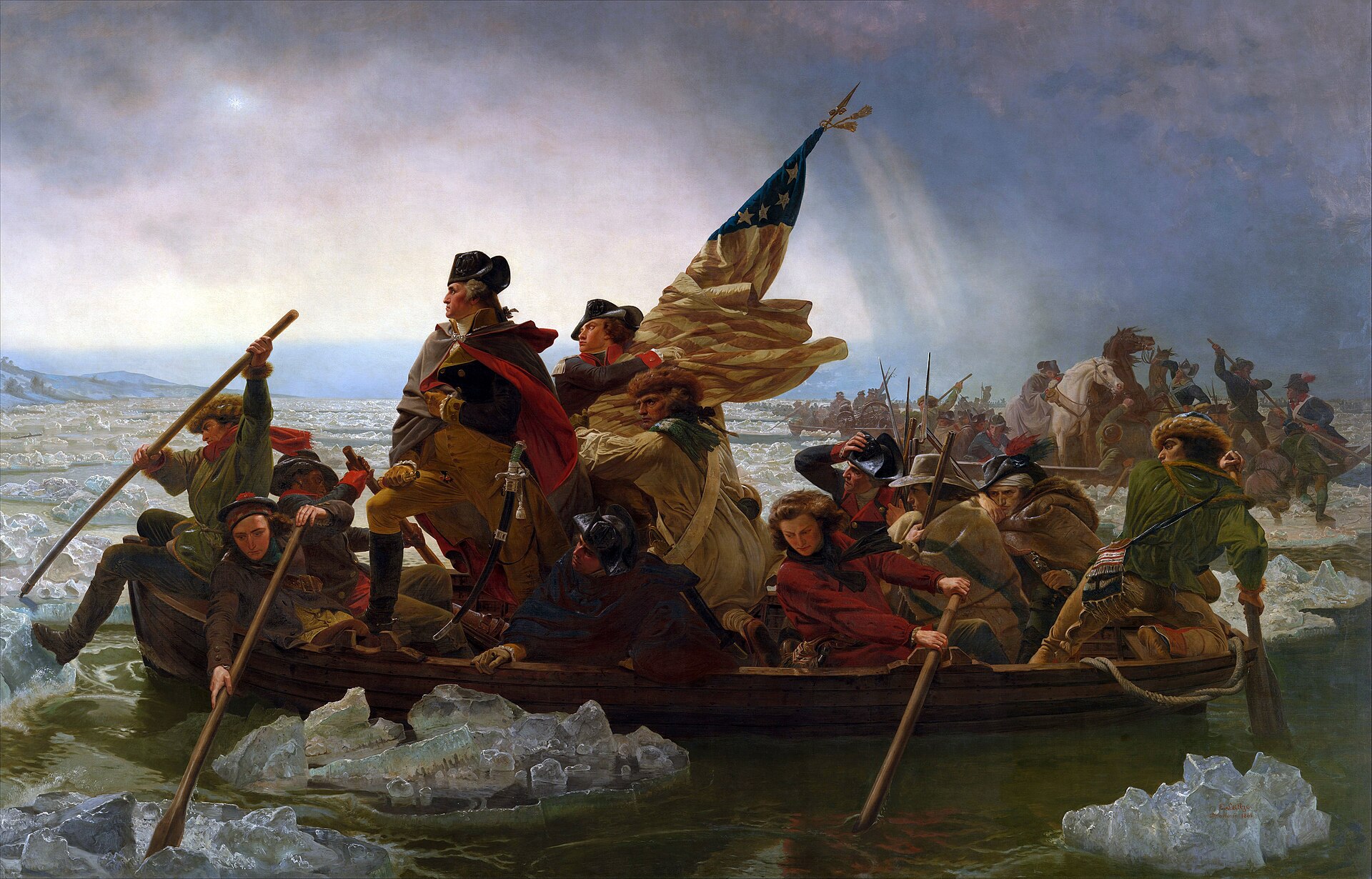
Pennsylvania stood at the center of the American Revolution, and its capital, Philadelphia, was the stage where the movement for independence took shape and eventually turned into war. As the largest city in the colonies and the seat of colonial government, Philadelphia drew the Founding Fathers together to argue over ideas, draft plans, and ultimately sign the Declaration of Independence. The push for liberty did not end there; it spread into military conflict across the state, as Pennsylvania became a key battleground where the political ideals debated in its capital were tested and defended on the ground.
Robert Morris captured the city's importance when he compared it to a heart pumping lifeblood through the new nation, pointing to its central location, thriving trade, and skilled workforce as reasons it anchored the American cause. Yet the Revolution was more than a military struggle fought in Pennsylvania's fields and towns. As John Adams later explained to Thomas Jefferson, the true revolution took place in the minds of colonists between 1760 and 1775, long before fighting broke out at Lexington. That shift in thinking, shaped by years of pamphlets, newspapers, and legislative debate, set the stage for the war that followed, with Pennsylvania serving as both the intellectual birthplace of independence and one of its most important battlegrounds.
Written by Aubrey Research from Pennsylvania in the American Revolution on Wikipedia, cited as a reference and not reproduced.
Chronology
Revolutionary fighting in Pennsylvania spanned 1777 to 1780. Select a year for the engagements of that season nationwide.
Where these engagements were fought
Select a marker to see the engagement and open its page. Larger red markers are surveyed battlefields with a mapped boundary.
Engagements in Pennsylvania.
Notable engagements
| Engagement | Year | Outcome | Forces or losses |
|---|---|---|---|
| Brandywine | 1777 | British victory | Hesse-Kassel: 93 killed ; 488 wounded ; 6 missing; United St |
| Germantown | 1777 | British victory | Hesse-Kassel: 71 killed ; 448 wounded ; 14 missing; 152 kill |
| Paoli | 1777 | British victory | Great Britain: 4 killed; 7 wounded; United States: 52 killed |
| Barren Hill | 1778 | British victory | Oneida: 3 killed; Hesse-Kassel: 9-30 |
| Wyoming Valley | 1778 | Surveyed battlefield | Haudenosaunee: 3 killed; 8 wounded; 302 killed; 5 captured |
| Battle of the Clouds | 1777 | British victory | 100 killed or wounded; Hesse-Kassel: 100 killed or missing |
| Battle of Crooked Billet | 1778 | British victory | Pennsylvania militia: 26 killed ; 8 wounded ; 58 captured; 7 |
| Sugarloaf Massacre | 1780 | n/a | Natives; Loyalists: Unknown; Northampton County volunteer mi |
| Fort Freeland | 1779 | British victory | British 400; American 20 |
Plus 5 further documented engagements in the Pennsylvania record.
Battlefield locations and boundaries are compiled from public records, including the National Park Service American Battlefield Protection Program (public domain) and the American Revolution GIS work of Charles E. Frye (CC BY-SA 4.0).