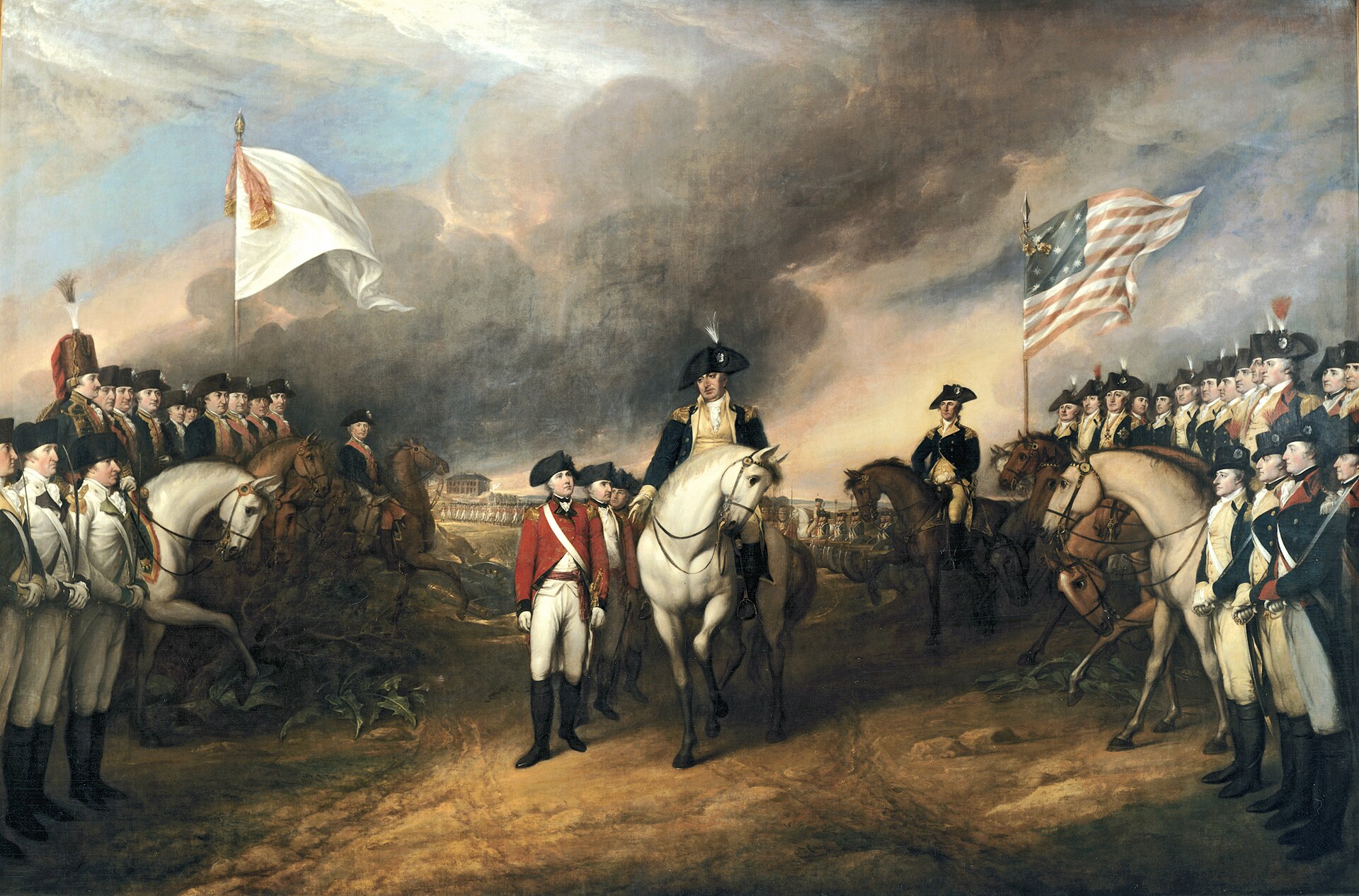
South Carolina's part in the Revolutionary War stretched from the tax protests of the 1760s to the British evacuation of Charles Town in December 1782, a moment now marked as the state's own Independence Day. The colony's anger began over British taxation without representation, leading merchants to boycott British goods and colonial leaders to join eleven other colonies, all but Georgia, in forming the Continental Congress. After fighting broke out at Lexington and Concord in 1775, South Carolina Patriots threw their support behind the rebellion, though the colony was nearly split down the middle between Patriots and Loyalists.
Much of the fighting in South Carolina pitted Patriots against fellow Carolinians loyal to the crown and against Cherokee allies of the British, a divided landscape that General Henry Clinton hoped to exploit as part of a larger plan to move north from Florida and trap George Washington's forces. Clinton's harsh treatment of a retreating Patriot force backfired, hardening resistance rather than crushing it, while many enslaved people seized the chance for freedom by fleeing to British lines, which promised liberty in exchange for loyalty. The tide turned when Continental Army troops and state militia under Major General Nathanael Greene fought to reclaim the state fort by fort, eventually boxing the British and their Loyalist allies into Charles Town, cut off and reliant on supplies from the sea until their withdrawal in late 1782.
Greene's leadership earned him a Congressional Medal and honors from South Carolina for freeing the state and helping restore civilian government. Five years later, the state's influence carried into the founding of the nation itself, as South Carolinians John Rutledge, Charles Pinckney, Charles Cotesworth Pinckney, and Pierce Butler traveled to the Constitutional Convention in Philadelphia, where their contributions helped shape the framework that became the U.S. Constitution.
Written by Aubrey Research from South Carolina in the American Revolution on Wikipedia, cited as a reference and not reproduced.
Chronology
Revolutionary fighting in South Carolina spanned 1775 to 1782. Select a year for the engagements of that season nationwide.
Where these engagements were fought
Select a marker to see the engagement and open its page. Larger red markers are surveyed battlefields with a mapped boundary.
Engagements in South Carolina.
Notable engagements
| Engagement | Year | Outcome | Forces or losses |
|---|---|---|---|
| Camden | 1780 | British victory | Total:324; 68 killed; 245 wounded; 11 missing; United States |
| Kings Mountain | 1780 | American victory | United States: 28 killed; 62 wounded; 157 killed; 163 wounde |
| Cowpens | 1781 | American victory | United States: 25 killed ; 124 wounded; Great Britain: 110 k |
| Waxhaws | 1780 | British victory | Total: 15; 5 killed; 12 wounded; Total: 319; 113 killed; 150 |
| Hobkirk Hill | 1781 | British victory | United States: 19 killed; 113 wounded; 89 captured; 50 missi |
| Stono Ferry | 1779 | British victory | United States: 34 killed; 113 wounded; 155 missing; 26 kille |
| Blackstocks | 1780 | American victory | Loyalists: 51-167 killed and wounded; United States: Total L |
| Hanging Rock (Second) | 1780 | American victory | 192 killed or wounded; 12 killed; 41 wounded |
| Musgrove's Mill | 1780 | Patriot victory | Loyalist militia: 63 killed; Unknown number wounded; 70 capt |
| Fort Balfour | 1781 | Americans victory | American: 0 killed, 2 wounded |
| Eutaw Springs | 1781 | Surveyed battlefield | Great Britain: 85 killed ; 297 wounded ; 70 captured; United |
| Battle of Great Cane Brake | 1775 | Patriot victory | British Loyalists: 6 killed; wounded unknown; 130 captured; |
Plus 75 further documented engagements in the South Carolina record.
Battlefield locations and boundaries are compiled from public records, including the National Park Service American Battlefield Protection Program (public domain) and the American Revolution GIS work of Charles E. Frye (CC BY-SA 4.0).